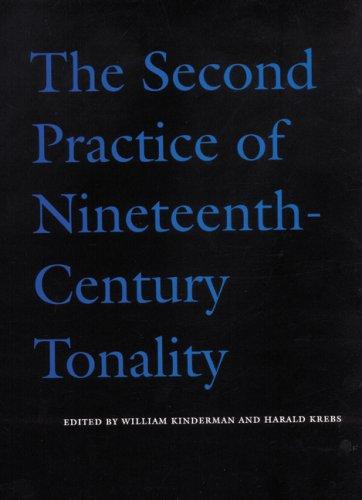
The second practice of nineteenth-century tonality
3,7
média de 24 mil notas
- leram
- 24 mil
- lendo agora
- 1,2 mil
- querem ler
- 29 mil
Sinopse
In 1861, a half-century before Arnold Schoenberg's break with tonality, a young composer associated with Liszt saw a threshold to musical modernism as lodged in the "suspension of the main key." As the unified tonal perspective of the earlier music yielded increasingly to dualistic key structures often laden with chromaticism, the language of music was transformed. In The Second Practice of Nineteenth-Century Tonality, nine prominent theorists and historians explore aspects of this musical evolution, from Schubert to the end of the nineteenth-century. Many works discussed are masterpieces of the performance repertory, ranging from Chopin's piano pieces and Wagner's music dramas to the symphonies of Bruckner. The integration of analytical and historical approaches in the essays seeks to avoid narrow specialization as well as the polemic stance of some recent studies. A critical assessment of issues including inter-textuality, narrative, and dramatic symbolism enriches this investigation of what may be described as the "second practice" of nineteenth-century tonality.
Só você vê
Sua leitura
Sem spoiler: cada um vê até onde leu
Discussões
Reviews populares
Ninguém escreveu sobre este livro ainda
Registre sua leitura e seja a primeira review.